
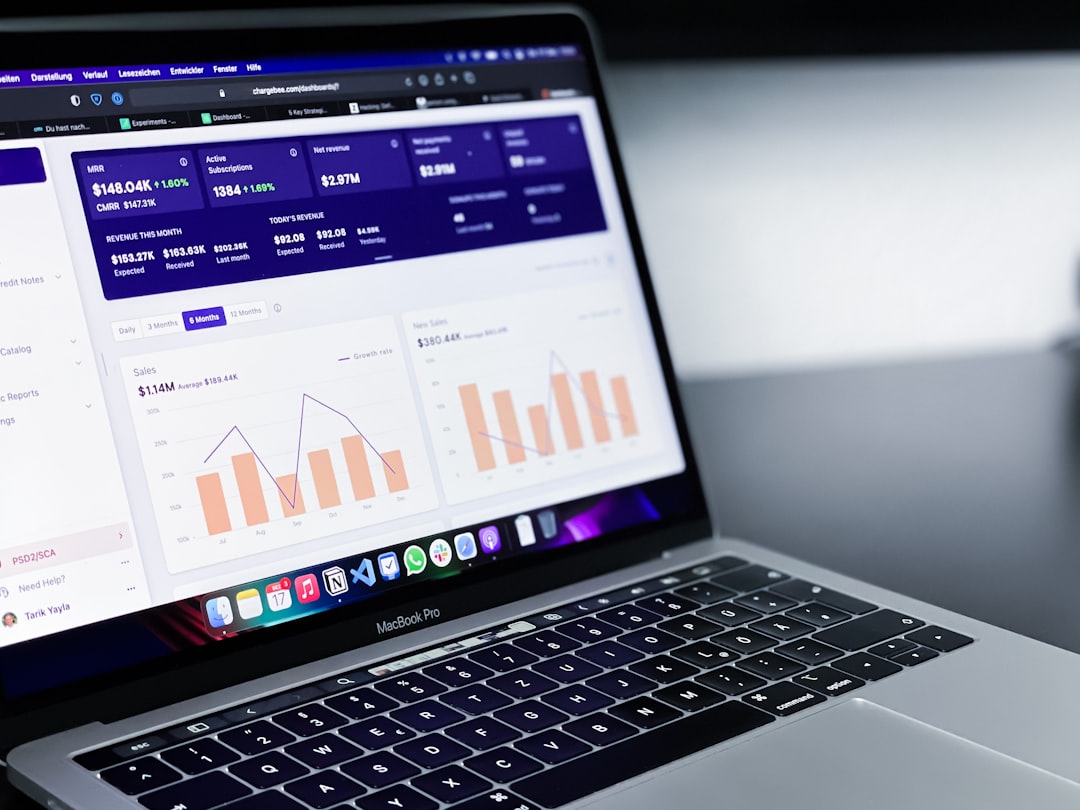
Why Most Local Businesses Waste Their Lead Generation Budget
Every local business owner eventually asks the same question: Am I actually making money from my marketing? The problem is that most have no reliable way to answer it. They’re paying for leads from multiple sources, chasing prospects who never respond, and guessing at which channels actually produce booked jobs. Understanding your lead generation ROI isn’t just about calculating a number — it’s about building a system that tells you exactly what’s working, what’s wasting money, and where to put your next dollar.
For local businesses especially, the channel you use to generate leads matters as much as how many leads you generate. A roofing company receiving fifty leads a month sounds impressive until you discover that same lead was also sent to four competing roofers. Suddenly your pipeline is a race to the answer button, your pricing gets squeezed, and your conversion rate collapses. Measuring ROI in that environment is nearly impossible because the variable that matters most — exclusivity — is hidden from view.
This guide gives you a practical, consultant-level framework for measuring lead generation ROI, building an exclusive lead pipeline, optimizing every stage of the funnel, and making confident decisions with real data. Whether you’re a plumber, dentist, roofer, med spa, or solar installer, the principles apply the same way.
—
The Problem With Shared Leads
How Marketplaces Erode Your Margins
Platforms like Angi, Thumbtack, and HomeAdvisor operate on a shared-lead model: a homeowner submits a request, and that single inquiry is sold to multiple businesses simultaneously — commonly three to five competitors. The platform profits from each sale of the same lead. You, as the buyer, are immediately in a foot race.
The downstream effect is predictable. When five contractors are calling the same prospect, the only way to win is to be first and cheapest. This creates a race-to-the-bottom on price that slowly erodes your profit margins even on jobs you do win. The businesses that survive on shared-lead marketplaces tend to be the ones willing to work for the lowest margins in their market.
Contact Rates Tell the Real Story
One of the clearest ways to understand the difference between shared and exclusive leads is contact rate — the percentage of leads you actually reach and speak with.
| Lead Type | Typical Contact Rate | Reason |
|---|---|---|
| Shared leads (marketplaces) | Lower end of the range | Prospect already reached by competitors before you call |
| Exclusive leads | Higher end of the range | Prospect submitted your form; expects your call |
PerfectLeads customers report contact rates in the 85–95% range on exclusive leads, compared to the 15–25% range many businesses experience on shared marketplace leads. That gap has a direct impact on your cost per booked job — not just your cost per lead.
The Hidden Costs Nobody Talks About
Beyond the math of contact rates, there are costs that never appear on an invoice:
- Time cost. A technician or owner spending an hour calling cold shared leads is an hour not spent on the job site or running the business.
- Phantom leads. Some marketplace billing models charge for leads automatically — including duplicate contacts, wrong numbers, or inquiries outside your service area — making disputes the norm.
- Brand erosion. When a prospect hears from five contractors at once, your business is immediately commoditized. You haven’t even spoken yet, and you’re already one of a crowd.
The honest ROI calculation for shared leads must include all of these costs, not just the per-lead price on the invoice.
—
Building an Exclusive Lead Generation System
Own Your Pipeline — Don’t Rent It
The alternative to marketplace dependency is building a lead system your business owns. This means prospects find you specifically, submit their information directly to you, and expect you to follow up. The lead is never resold.
Owning your pipeline requires investment in infrastructure — landing pages, forms, ad accounts, automation — but the economics improve over time because you’re building an asset, not paying a toll every month.
Landing Pages Built for Conversion
A landing page designed for a specific service converts far better than a general website homepage. A plumbing company running ads for “emergency water heater replacement” should send clicks to a page about exactly that service — with a clear form, a phone number, and social proof like reviews.
Key elements of a high-converting local service landing page:
- A single, clear call-to-action (call now, get a free quote, book online)
- Trust signals: reviews, licensing info, photos of real work
- Mobile-first layout (the majority of local searches happen on phones)
- Minimal navigation — keep visitors focused on converting
Lead Magnets That Work for Local Services
| Industry | Effective Lead Magnet |
|---|---|
| HVAC | Free seasonal tune-up estimate |
| Dental | Free new patient consultation |
| Roofing | Free storm damage inspection |
| Solar | Free savings assessment |
| Med Spa | Free skin consultation |
| Real Estate | Free home valuation |
| Law Firm | Free 30-minute case review |
The pattern is consistent: offer something genuinely useful that also requires them to engage with your business. Free quotes and assessments tend to outperform downloadable guides for trade and service businesses because they move the prospect closer to a purchasing decision.
—
Lead Capture by Channel
Matching Channel to Intent
Not all channels produce the same quality of lead. Understanding where your highest-intent prospects come from is foundational to measuring lead generation ROI accurately.
| Channel | Intent Level | Best For |
|---|---|---|
| Google Search (SEO + Ads) | Very high — actively searching | Emergency services, high-ticket decisions |
| Google Local Services Ads | Very high + trust verified | Trades, home services, legal, health |
| Google Business Profile | High — local intent | Any local business with a physical presence |
| Facebook / Instagram Ads | Medium — interest-based | Cosmetic services, solar, remodeling |
| Referral / Word of Mouth | Very high — pre-sold trust | Any business with strong client relationships |
| Website Chat / Missed Call Text-Back | Variable — captures in-the-moment | Any business that gets website traffic |
Channel-Specific Notes
Google Search captures prospects who are actively looking for your service right now. These leads tend to convert at higher rates because intent is already established.
Facebook and Instagram campaigns work well for services where visual results matter (med spas, landscaping, remodeling) or for offers that create demand rather than capturing existing demand.
Google Business Profile optimization — accurate categories, consistent photos, regular review responses — generates free leads from local map pack rankings. For many service businesses, this is the highest-ROI channel once optimized.
Referral systems can be amplified with simple ask-and-reward mechanics: a dental practice or HVAC company that systematically asks happy customers for referrals and reviews will compound its lead volume over time.
Missed call text-back is one of the most underused tools in local business. When a prospect calls and you don’t answer, an automated SMS response sent immediately keeps the conversation alive. Without it, many of those prospects simply call the next business on Google.
—
Speed-to-Lead: The 30-Second Rule
Why Response Time Is Your Biggest Conversion Variable
The research on speed-to-lead is unambiguous: the faster you respond to an inbound inquiry, the more likely you are to reach the prospect and convert them. Leads contacted within the first few minutes of submitting a form are dramatically more likely to convert than those contacted an hour later — and the gap widens sharply as time passes.
The reason is behavioral. When a prospect fills out a form or calls your business, they’re in a decision-making moment. That window closes quickly. By the time an hour has passed, they may have already hired someone else, talked themselves out of the purchase, or simply forgotten they inquired.
PerfectLeads’ speed-to-lead automation responds to every new inquiry within 30 seconds — via SMS and email — so the conversation starts immediately, even when you’re on a job site.
What Automation Handles
| Task | Manual Approach | Automated Approach |
|---|---|---|
| Initial response to form submission | Owner/staff calls when available | Instant SMS + email sent within 30 seconds |
| Lead notification | Email arrives, easy to miss | Push notification + CRM alert |
| Follow-up scheduling | Calendar reminder, often forgotten | Drip sequence triggered automatically |
| Missed call response | Prospect moves on | Text-back sent immediately |
—
Lead Nurturing & Follow-Up
Most Sales Happen After the First Contact
A significant portion of leads don’t convert on the first touch. Prospects compare options, get distracted, or need time to make a decision — especially for higher-ticket services like roofing, solar, or dental treatment plans. A consistent follow-up sequence keeps your business top of mind through that decision window.
A practical 30-day follow-up framework:
- Day 1: Instant response (automated SMS + email), personal call within the hour
- Day 2: Follow-up SMS if no response
- Day 4: Email with a relevant piece of social proof (review, before/after photo)
- Day 7: Phone call attempt + voicemail
- Day 14: Re-engagement email (“Still interested in getting a quote?”)
- Day 21: Final SMS check-in
- Day 30: Close the loop or move to a long-term nurture list
Re-Engagement for Cold Leads
Leads that go quiet aren’t necessarily lost. A re-engagement campaign sent to prospects who didn’t convert — especially tied to a seasonal offer or new promotion — can reactivate a meaningful portion of them. A solar installer, for example, might reactivate cold spring leads with a summer savings message. A dentist might re-engage lapsed inquiries ahead of year-end insurance deadlines.
—
Measuring & Optimizing Lead Generation ROI
The Metrics That Actually Matter
Most businesses track cost per lead and stop there. But cost per lead is a vanity metric if your contact rate is low or your conversion rate is poor. The metric that reflects real performance is cost per booked job.
| Metric | What It Measures | Why It Matters |
|---|---|---|
| Cost Per Lead (CPL) | What you pay to generate one inquiry | Benchmarks channel efficiency |
| Contact Rate | % of leads you actually reach | Reveals lead quality |
| Lead-to-Appointment Rate | % of contacts that schedule | Measures offer and follow-up effectiveness |
| Appointment-to-Job Rate | % of appointments that close | Measures sales process quality |
| Cost Per Booked Job | Total spend ÷ jobs won | The real ROI number |
| Customer Lifetime Value (LTV) | Revenue a customer generates over time | Puts CPL in perspective |
How to Calculate Lead Generation ROI
The formula is straightforward:
> Lead Generation ROI = (Revenue from leads – Lead generation cost) ÷ Lead generation cost × 100
In practice, this means tracking revenue back to its source. A plumbing company spending a set amount on Google Ads that produces a predictable number of booked jobs at a known average job value can calculate ROI with confidence. The same company spending on shared leads without tracking which ones converted cannot.
Monthly Review Cadence
A monthly review of these metrics — even a 30-minute session — tends to surface the insights that matter most:
- Which channel produced the most booked jobs (not just leads)?
- Where is the drop-off in the funnel? (Leads → contacts → appointments → jobs)
- Which lead sources produce the highest LTV customers?
- Where is follow-up breaking down?
PerfectLeads’ performance dashboard makes this review straightforward by consolidating lead source data, pipeline stages, and conversion rates in one view.
—
FAQ
What is lead generation ROI and how is it calculated?
Lead generation ROI measures the return your business earns relative to what you spend generating leads. The basic formula is: (Revenue from leads minus lead generation cost) divided by lead generation cost, expressed as a percentage. The key is attributing revenue back to its source accurately — which requires tracking leads through your pipeline from inquiry to closed job.
Why is cost per lead a misleading metric on its own?
Cost per lead only tells you what you paid for an inquiry — it says nothing about whether that inquiry ever became a paying customer. A lower cost per lead from a shared marketplace can easily produce a higher cost per booked job than a higher-priced exclusive lead, once you factor in poor contact rates and competitive pricing pressure.
How do exclusive leads improve ROI compared to shared leads?
Exclusive leads are delivered only to your business, so the prospect is expecting your call — not calls from three to five competitors simultaneously. This drives higher contact rates, better conversion rates, and eliminates the race-to-the-bottom pricing dynamic that shared leads create. The result is fewer leads needed to fill your pipeline.
What is speed-to-lead and why does it matter so much?
Speed-to-lead is the time between a prospect submitting an inquiry and your business making first contact. The faster the response, the more likely you are to reach the prospect while they’re still in a decision-making mindset. Even a delay of 30–60 minutes can significantly reduce conversion rates, because prospects often contact multiple businesses and move forward with whoever responds first.
How many follow-ups does it typically take to convert a lead?
Research and practitioner experience consistently suggest that a significant share of sales require five or more follow-up touches after the initial contact. Most businesses stop after one or two attempts, leaving a large portion of potential revenue on the table. Automated follow-up sequences solve this by continuing outreach consistently without relying on manual reminders.
Which lead generation channels tend to produce the best ROI for local businesses?
Google Search (organic SEO and paid ads) typically produces the highest-intent leads because prospects are actively searching for the service. Google Business Profile optimization often delivers strong ROI because it generates leads at a low marginal cost once established. Referrals consistently convert at high rates due to built-in trust. The best approach for most local businesses is a blend of two or three channels tracked carefully rather than spreading budget too thin.
—
Conclusion: Build the System, Measure What Matters
Improving your lead generation ROI isn’t a single tactic — it’s a compounding system. You own your lead pipeline instead of renting it from marketplaces that resell your prospects to competitors. You capture leads through high-intent channels, respond within seconds, and nurture prospects through a consistent follow-up sequence. You track cost per booked job — not just cost per lead — and make monthly decisions based on real data.
The businesses that win at local lead generation tend to share a few traits: they’ve stopped depending on shared-lead platforms, they’ve automated the speed-to-lead problem, and they review their numbers often enough to act on what they find.
PerfectLeads is built to give local businesses exactly that system — without stitching together five separate tools or paying marketplace fees for leads your competitors are also receiving.
—
Ready to see what an exclusive lead generation system can do for your business?
Start a free 14-day trial of PerfectLeads — the all-in-one platform built for local businesses that includes exclusive lead delivery, CRM, automated follow-up, online booking, reputation management, and performance dashboards.
| Plan | Price | Best For |
|---|---|---|
| DIY | $97/month | Owners who want the platform and run it themselves |
| Done-For-You | $297/month | Businesses that want strategy and execution handled |
| Ads Managed | $997/month | Full-service lead generation with managed ad campaigns |
👉 [Start Your Free 14-Day Trial at PerfectLeads.com](#) — no long-term contracts, cancel anytime.
